

We’re here to help! Fill out the enquiry form below, and our team will get back to you shortly.
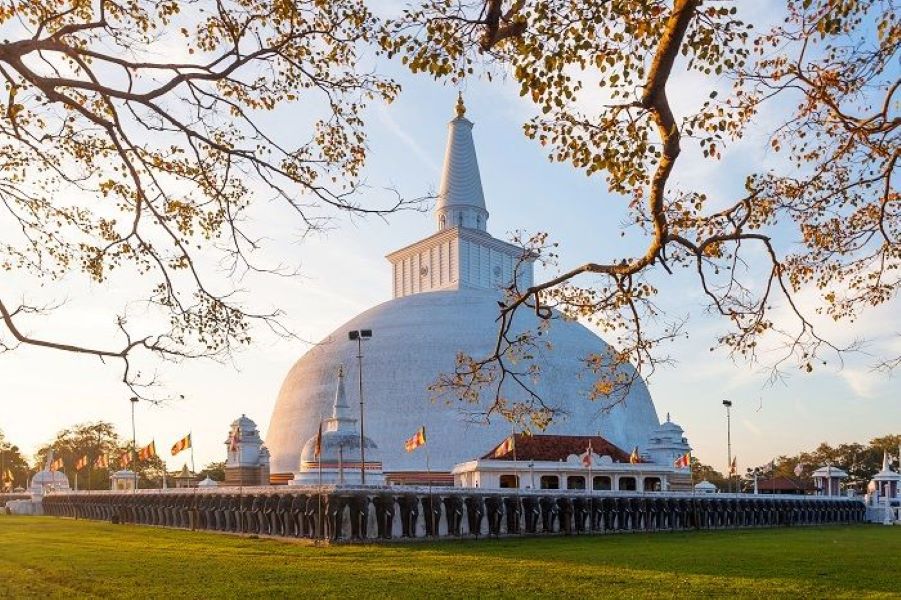
Sri Lanka, an enchanting island nation located in the Indian Ocean, is a land of stunning diversity often referred to as the "Pearl of the Indian Ocean." With a history spanning over 2,500 years, the country is a vibrant tapestry of ancient civilizations, colonial influences, and rich cultural traditions. Its geography is equally varied, transitioning from pristine golden beaches and lush coastal plains to a cooler, central mountainous region covered in verdant tea plantations. The majority of the population follows Buddhism, which has profoundly shaped the island's art, architecture, and daily life, though it also hosts significant Hindu, Muslim, and Christian communities. This mix of cultures, coupled with a landscape teeming with wildlife and eight UNESCO World Heritage Sites, makes Sri Lanka a unique and captivating destination that offers everything from spiritual pilgrimage and historical exploration to thrilling wildlife safaris and serene beach getaways.
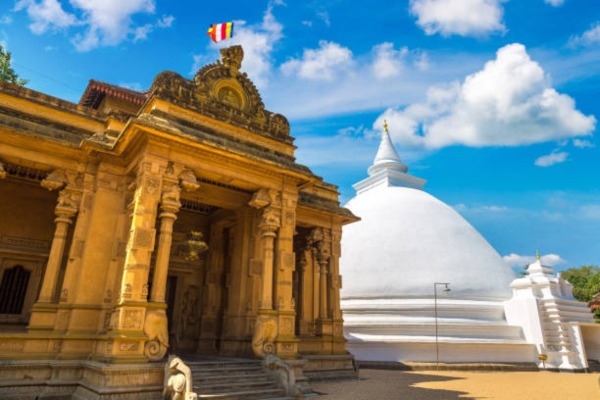
A tour of the Kelaniya Raja Maha Vihara offers a profound spiritual and artistic experience, as this ancient Buddhist temple is one of Sri Lanka’s most sacred sites, believed to have been visited by the Buddha himself. Located on the banks of the Kelani River, the temple’s modern reconstruction, completed in the 20th century, showcases stunning murals by the renowned artist Solias Mendis. These vivid frescoes, which cover the walls and ceilings, depict pivotal moments from the Buddha’s life, stories from the Jataka tales, and significant events in the history of Buddhism in Sri Lanka. Visitors can also admire the temple’s magnificent stupa, a reclining Buddha statue, and intricately carved stone balustrades, all of which contribute to the serene and deeply historical atmosphere of this revered sanctuary.
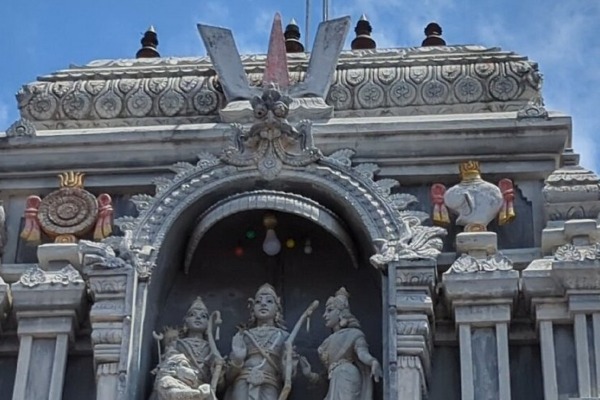
A tour of the Anjaneyar Temple, particularly the famous one in Namakkal, Tamil Nadu, is a deeply spiritual and architecturally fascinating experience. Visitors are immediately drawn to the majestic 18-foot-tall, monolithic statue of Lord Hanuman, carved from a single stone and standing in an open-air sanctum without a roof. This unique feature is believed to be a reflection of a legend where Hanuman desired to stand facing the nearby Narasimha Swamy temple. The temple’s ancient Dravidian architecture, with its pillared halls and intricate carvings, tells stories from the Ramayana, creating a sense of history and devotion. The tour offers an opportunity to witness traditional Hindu rituals, from the elaborate offerings of garlands made of vadais to the solemn chanting of hymns, all within a serene atmosphere that leaves one feeling blessed and rejuvenated.
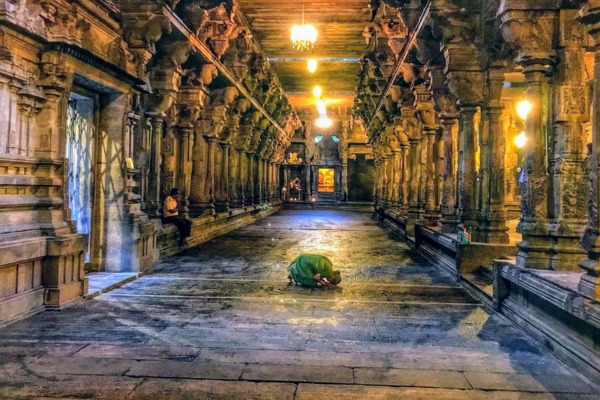
The Sri Ponnambalam Vanesar Kovil is a serene Hindu temple in the heart of Colombo, Sri Lanka, and a remarkable example of Dravidian architecture. Constructed entirely of black granite sourced from South India, the temple’s tour offers a journey through intricate carvings of gods, goddesses, peacocks, and mythical creatures that adorn its walls, pillars, and majestic gopuram. Dedicated to Lord Shiva, the temple’s dim, stone-clad interior, lit by the flickering flames of oil lamps, creates a mystical and spiritual atmosphere. Visitors can witness traditional Hindu rituals and immerse themselves in the soulful sounds of bells, chants, and musical instruments, experiencing a unique sense of peace and devotion within this sacred and historically significant structure.
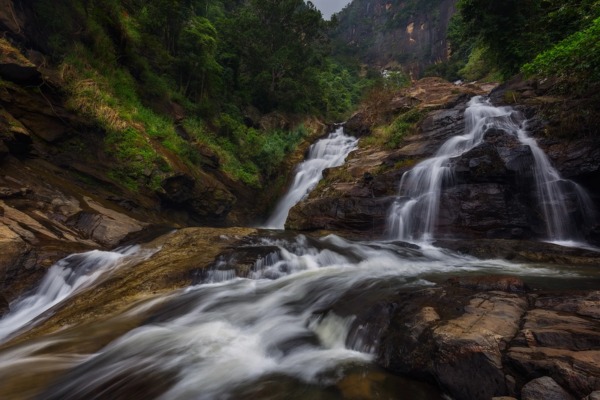
A tour of the Ravana Falls, located near Ella, is a stunning and easily accessible natural attraction that combines scenic beauty with local mythology. This cascading waterfall, which tumbles from a rock face in a series of segmented cascades, is a popular stop for travelers on the Ella-Wellawaya road. According to legend, the falls are named after the mythical King Ravana, who is said to have hidden Princess Sita in a cave behind the waterfall. The sheer height of the falls and the verdant surroundings create a picturesque scene, making it a perfect spot for photography. While the falls are at their most spectacular during the rainy season, their constant flow and ease of access make them a rewarding destination year-round for anyone seeking to admire one of Sri Lanka’s most famous waterfalls.
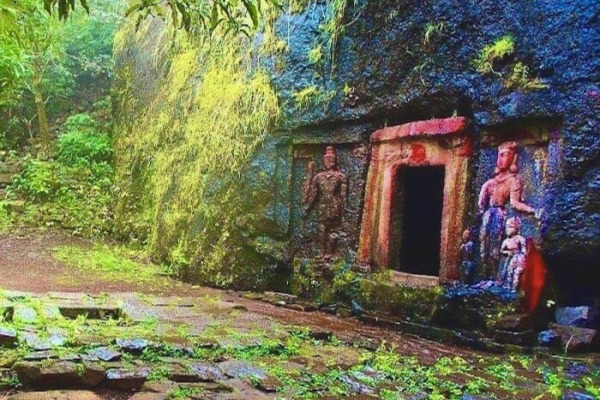
A tour of the Ravana Caves, located near Ella, is a captivating journey into a blend of natural wonder and ancient mythology. These historical caves, part of a vast network, are steeped in the legend of the Ramayana, believed to be one of the places where King Ravana held Sita captive. The main cave, situated high on a hill, is accessible via a trek that offers breathtaking views of the surrounding mountains and valleys. Visitors can explore the cavern’s dark, cool interior and marvel at the natural rock formations while reflecting on the epic tale of Ravana. The journey to the caves is an adventure in itself, making this a perfect destination for history enthusiasts, nature lovers, and anyone intrigued by the island’s rich folklore.
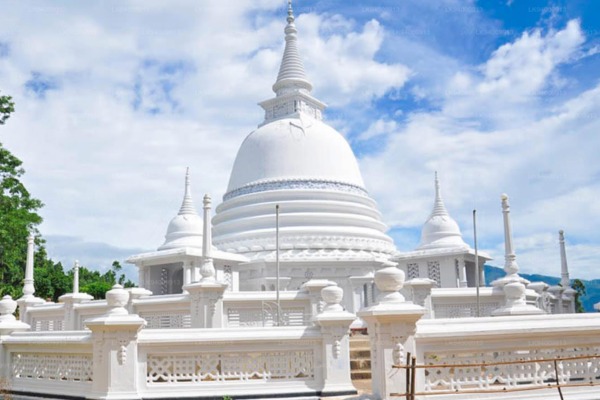
A tour of Divurumpola Temple, located near the town of Welimada, is a profound and deeply spiritual experience centered on one of the most significant moments of the Ramayana epic. This sacred site is believed to be the spot where Sita underwent the Agni Pariksha (the trial by fire) to prove her purity after being rescued from King Ravana. The temple stands as a powerful symbol of fidelity and trust, and its serene and tranquil atmosphere invites pilgrims and visitors to reflect on the deeper meanings of the story. Surrounded by verdant landscapes, the temple is a key destination on the Ramayana Trail, and its rich historical and religious significance makes it a compelling stop for anyone seeking to connect with the timeless tale of Rama and Sita in a tangible way.
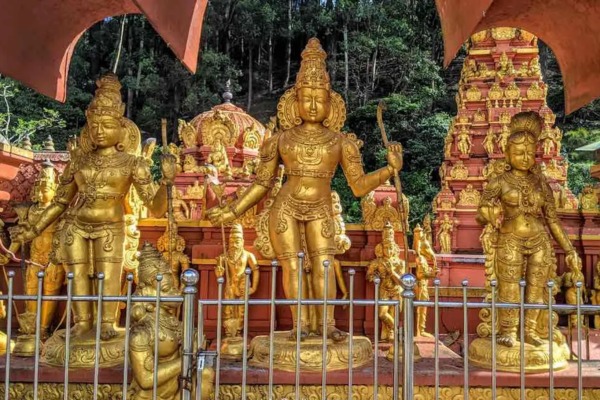
A tour of the Ashok Vatika (Ashoka Garden), located near the Hakgala Botanical Garden in Nuwara Eliya, is a deeply spiritual journey into a pivotal site of the Ramayana epic. According to legend, this lush and beautiful garden is where King Ravana held Sita captive after her abduction. It was here that Lord Hanuman first met Sita and delivered Lord Rama’s ring, a moment of profound hope in her ordeal. Today, the area is a serene landscape of verdant greenery, streams, and a peaceful atmosphere that visitors can explore. The nearby Seetha Amman Temple and the prominent footprints believed to be of Lord Hanuman add to the mystical charm of the site, making it a compelling destination for those interested in mythology, history, and the natural beauty of Sri Lanka’s highlands.
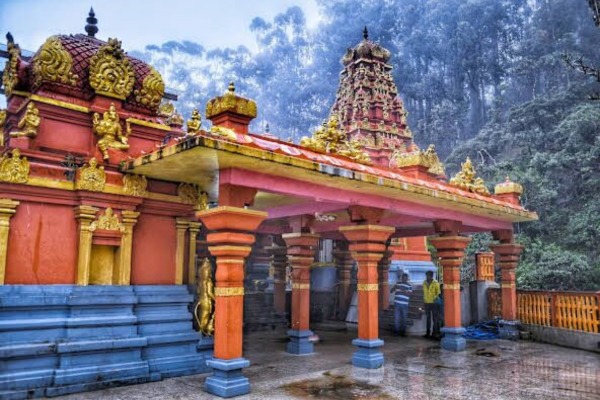
A tour of the Seetha Amman Temple, located in the picturesque village of Seetha Eliya near Nuwara Eliya, is a pilgrimage into the heart of the Ramayana epic and a truly captivating spiritual experience. This sacred temple is believed to be the exact spot where Sita was held captive by King Ravana and where she spent her days praying for her husband, Lord Rama, to rescue her. The temple’s compound includes a small stream, known as Sita Pokuna, where she is said to have bathed, and visitors can even see what are believed to be the footprints of Lord Hanuman. Surrounded by rolling hills and lush forests, the temple’s vibrant statues and serene atmosphere provide a powerful sense of connection to the ancient story, making it a must-visit for devotees and history enthusiasts alike.
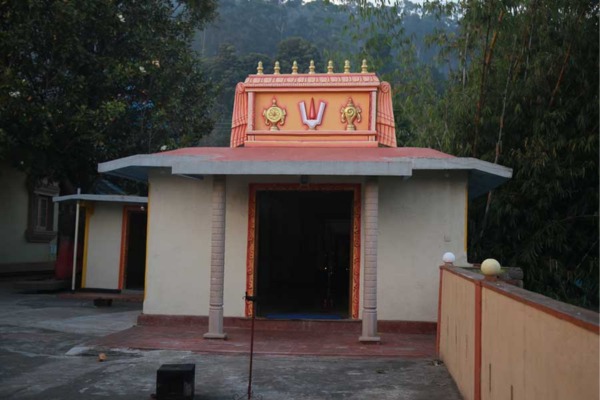
A tour of Gayathri Peedam in Nuwara Eliya is a serene and spiritually significant experience that connects visitors to both Hindu mythology and the scenic beauty of Sri Lanka’s hill country. This sacred temple, a key site on the Ramayana Trail, is believed to be where Prince Indrajit, son of King Ravana, performed powerful penance to Lord Shiva, Brahma, and Vishnu. As the first temple in Sri Lanka dedicated to the revered Goddess Gayathri, it holds a special place for devotees who chant the Gayathri Mantra here. Surrounded by the cool climate and misty tea plantations of Nuwara Eliya, the temple offers a tranquil atmosphere for meditation and prayer, inviting all to learn about its profound history and witness the continuous rituals that honor its divine presence.
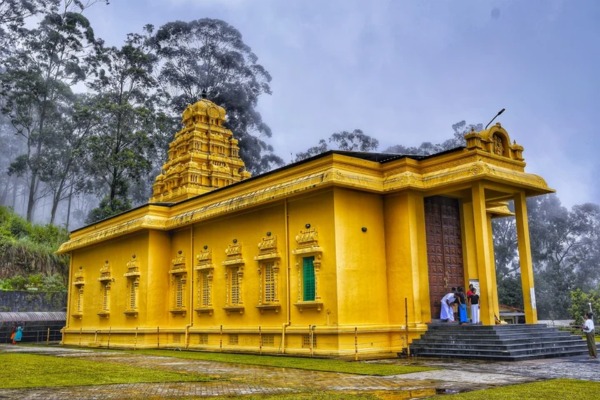
A tour of the Sri Baktha Hanuman Temple in Ramboda offers a deeply spiritual and visually stunning experience, intertwining Hindu mythology with the breathtaking natural beauty of Sri Lanka’s central highlands. This sacred site, a key stop on the popular Ramayana Trail, is believed to be the spot where Lord Hanuman rested while searching for Sita. Perched on a hill with panoramic views of lush tea plantations and the scenic Kotmale Valley, the temple is home to a magnificent 18-foot statue of Lord Hanuman, the tallest in Sri Lanka, which stands as a powerful symbol of strength and devotion. Visitors can participate in daily pujas, admire the serene atmosphere, and learn about the local legends that connect this area to the epic tale of Ramayana, making it a compelling destination for both spiritual seekers and tourists alike.
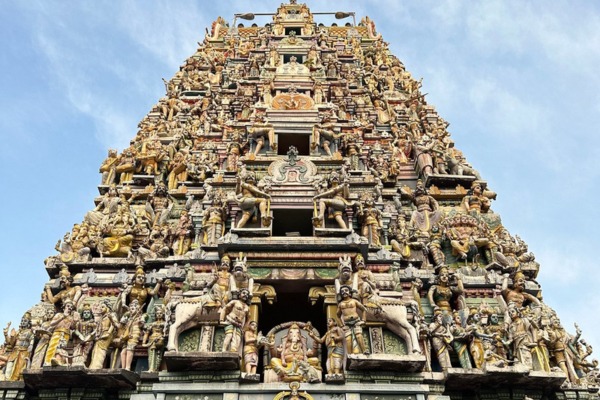
A tour of a Pillayar temple in Sri Lanka, a temple dedicated to Lord Ganesha, is an opportunity to experience a deeply revered aspect of the island’s Hindu culture. As the elephant-headed deity who is the remover of obstacles, Ganesha is a central figure in the lives of many, and his temples are often bustling with a vibrant energy. Notable examples include the Murikandy Pillayar Kovil on the A9 highway, where travelers routinely stop to offer coconuts and prayers for a safe journey, and the Katukele Pillaiyar Kovil in Kandy, a significant landmark for the local community. Visitors can admire the intricate and colorful carvings of the gopuram, witness a variety of rituals and offerings, and feel the spiritual devotion that permeates these sacred spaces, offering a unique glimpse into the syncretic blend of faiths that defines much of Sri Lankan life.
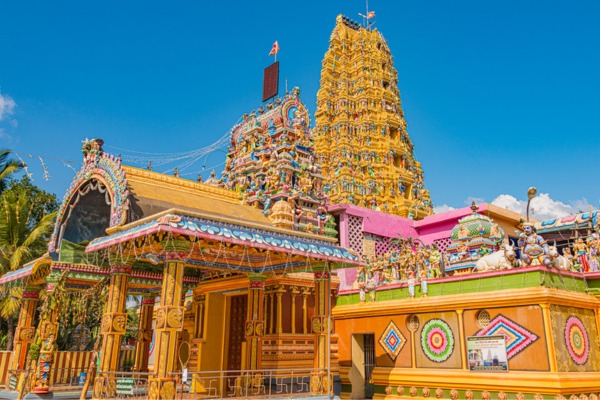
A tour of the Matale Muthumari Amman Temple is a captivating experience that transports visitors into a vibrant world of Hindu devotion and intricate South Indian architecture. Dedicated to Mariamman, the goddess of rain and fertility, this colorful temple is a landmark in central Sri Lanka, easily identifiable by its towering and intricately carved gopuram (gateway tower), one of the largest on the island. The gopuram is a visual spectacle, adorned with a thousand and eight statues of Hindu deities and celestial figures, each one a testament to the skill of artisans brought from Tamil Nadu. Visitors can explore the temple’s main shrine, witness daily rituals and pujas, and, if their timing is right, experience the lively annual chariot festival, a deeply spiritual event that unites both Hindu and Buddhist devotees in a dazzling display of faith.